
Professional Vs DIY Concrete works, Why Choose The Experts? In the age of YouTube tutorials…
Complete Guide to Protecting Your Concrete with Professional Sealing
Concrete surfaces are a popular choice for driveways, patios, and pathways across Australian homes, valued for their durability and versatility. However, even the strongest concrete needs protection from the elements. Sealing concrete is one of the most effective ways to extend its lifespan, enhance its appearance, and protect it from moisture, stains, and weather damage. This guide walks through everything homeowners need to know about sealing concrete surfaces properly.
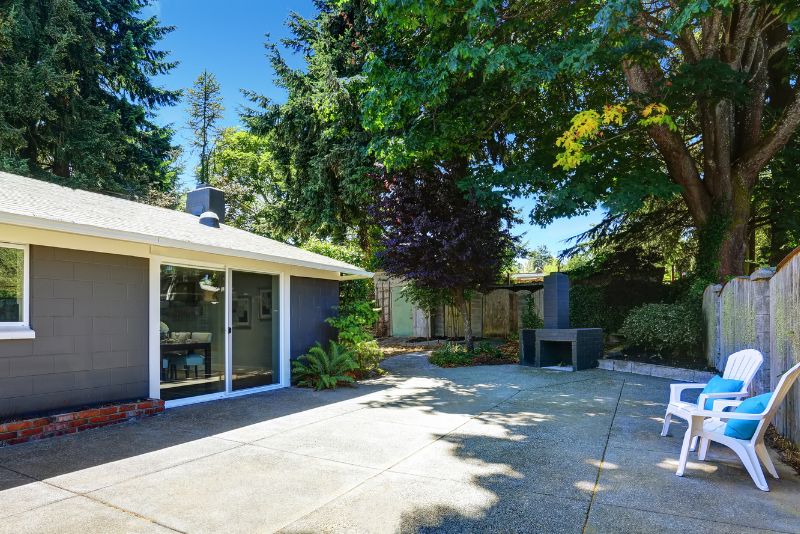
Why Sealing Your Concrete is Essential for Australian Homes
Australian weather conditions can be particularly harsh on unsealed concrete. The combination of intense UV rays, heavy rainfall, and temperature fluctuations causes concrete to deteriorate faster than in milder climates. Without proper sealing, concrete becomes porous and vulnerable to moisture penetration, which leads to cracking, spalling, and surface degradation.
Sealing creates a protective barrier that prevents water absorption, one of the primary causes of concrete damage. When moisture seeps into concrete and freezes during colder months, it expands and creates internal pressure that results in cracks. In coastal areas like Coffs Harbour, salt air accelerates this deterioration process even further.
Beyond protection, sealers enhance the visual appeal of concrete surfaces. They can deepen colours, add a glossy or matte finish, and make decorative concrete features stand out. Sealed concrete is also much easier to clean and maintain, as the protective layer prevents oil, grease, and other contaminants from penetrating the surface.
Choosing the Right Concrete Sealer for Your Project
Not all concrete sealers are created equal, and selecting the right product depends on the specific application and desired outcome. The two main categories are penetrating sealers and topical sealers, each offering distinct advantages.
Penetrating sealers soak into the concrete and protect from within. They’re ideal for exterior surfaces like driveways and pathways because they don’t create a surface film that can wear away with traffic. These sealers are breathable, allowing moisture vapour to escape while blocking liquid water.
Topical sealers sit on the concrete surface and create a protective film. They’re available in various finishes from high-gloss to matte and are excellent for enhancing the appearance of decorative concrete. However, they may require more frequent reapplication in high-traffic areas.
For outdoor concrete applications in the Coffs Harbour region, water-based acrylic sealers offer a good balance of protection and breathability. They’re UV-resistant, which is crucial for Australian conditions, and they’re easier to apply than solvent-based alternatives. Consider the surface location, expected foot or vehicle traffic, and aesthetic preferences when making a selection.
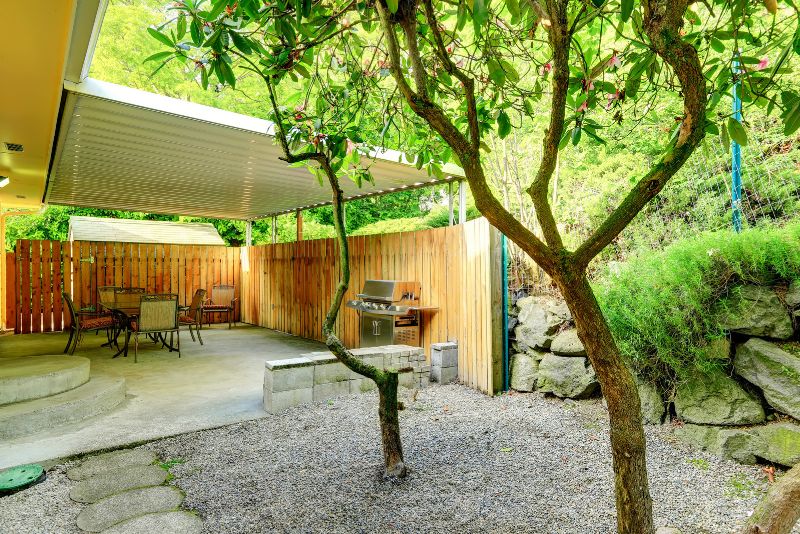
Tools and Materials You’ll Need Before Starting
Proper preparation makes the sealing process much smoother and ensures better results. Gathering all necessary tools and materials beforehand prevents interruptions during application.
Essential items include the concrete sealer itself, with enough quantity to cover the entire surface area with the recommended coats. A pressure washer or stiff-bristled broom helps clean the concrete thoroughly. For application, a paint roller with an extension pole works well for large flat areas, while a paintbrush handles edges and detailed sections.
Additional supplies include a paint tray, protective gloves, safety glasses, and appropriate clothing. If working with solvent-based sealers, ensure adequate ventilation and consider wearing a respirator mask. Have cleaning supplies ready, including rags and the appropriate cleaner for any spills.
Check the weather forecast before starting. Sealing should be done during dry conditions with temperatures between 10 and 30 degrees Celsius. Avoid extremely hot days when sealers may dry too quickly, and ensure no rain is expected for at least 24 hours after application.
Step-by-Step: How to Seal Your Concrete Surface
Start by thoroughly cleaning the concrete surface. Remove all dirt, debris, oil stains, and previous sealer residue using a pressure washer or appropriate concrete cleaner. Allow the surface to dry completely, which typically takes 24 to 48 hours, depending on weather conditions.
Once dry, inspect the concrete for cracks or damage. Repair any issues before sealing, as the sealer won’t fix structural problems. Fill cracks with appropriate concrete filler and allow repairs to cure fully.
Apply the sealer in thin, even coats using a roller or sprayer. Work in small sections to maintain a wet edge and avoid lap marks. Start at the farthest point from the exit to avoid walking on freshly sealed areas. Most sealers require two coats for optimal protection, with the second coat applied after the first has dried according to the manufacturer’s instructions.
Maintain consistent coverage without over-applying, which can cause a cloudy appearance or uneven finish. Pay special attention to edges and corners where protection is particularly important.
Maintenance Tips to Keep Your Sealed Concrete Looking Great
Sealed concrete requires minimal maintenance but benefits from regular care. Sweep or hose down surfaces regularly to remove dirt and debris that can gradually wear down the sealer. Clean spills promptly to prevent staining, even though sealed concrete is much more resistant to damage.
Inspect sealed concrete surfaces annually for signs of wear. High-traffic areas may need resealing every two to three years, while protected areas can last five years or longer. When water no longer beads on the surface, it’s time to consider resealing.
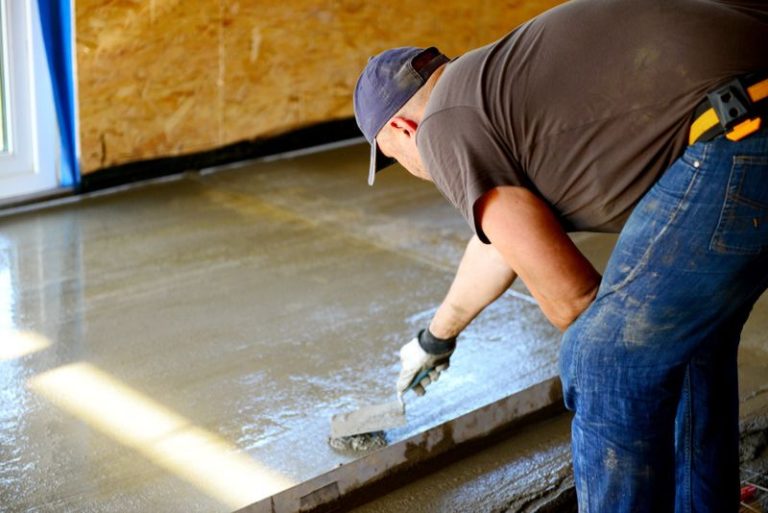
Ready To Get Started!
Ready to protect your concrete investment? A1 Concreting Coffs Harbour provides professional concrete sealing services that ensure lasting protection and beautiful results. Contact the team today for expert advice and quality workmanship that stands up to Australian conditions.

