
Strong, Reliable House Slabs Built Right from the Ground Up in Coffs Harbour
Every home in Coffs Harbour starts with one pour that determines everything sitting above it — the house slab. Before the frame goes up, before a wall is set, before a single floor covering is laid, the slab is already deciding whether doors hang square, floors perform flat, and the home holds up against decades of reactive soil movement and subtropical rainfall. Get it right, and the build runs cleanly on top of it. Get it wrong, and there’s no correcting it without serious consequences downstream.
We’re a Coffs Harbour concrete contractor with hands-on experience delivering house slabs for new builds, knockdown rebuilds, and dual occupancy projects across the region. From engineer-specified waffle pod slabs to conventional reinforced pours on sloped hinterland blocks, we work direct from engineering documentation, manage the certification process, and hand over a slab your building program can move forward on.
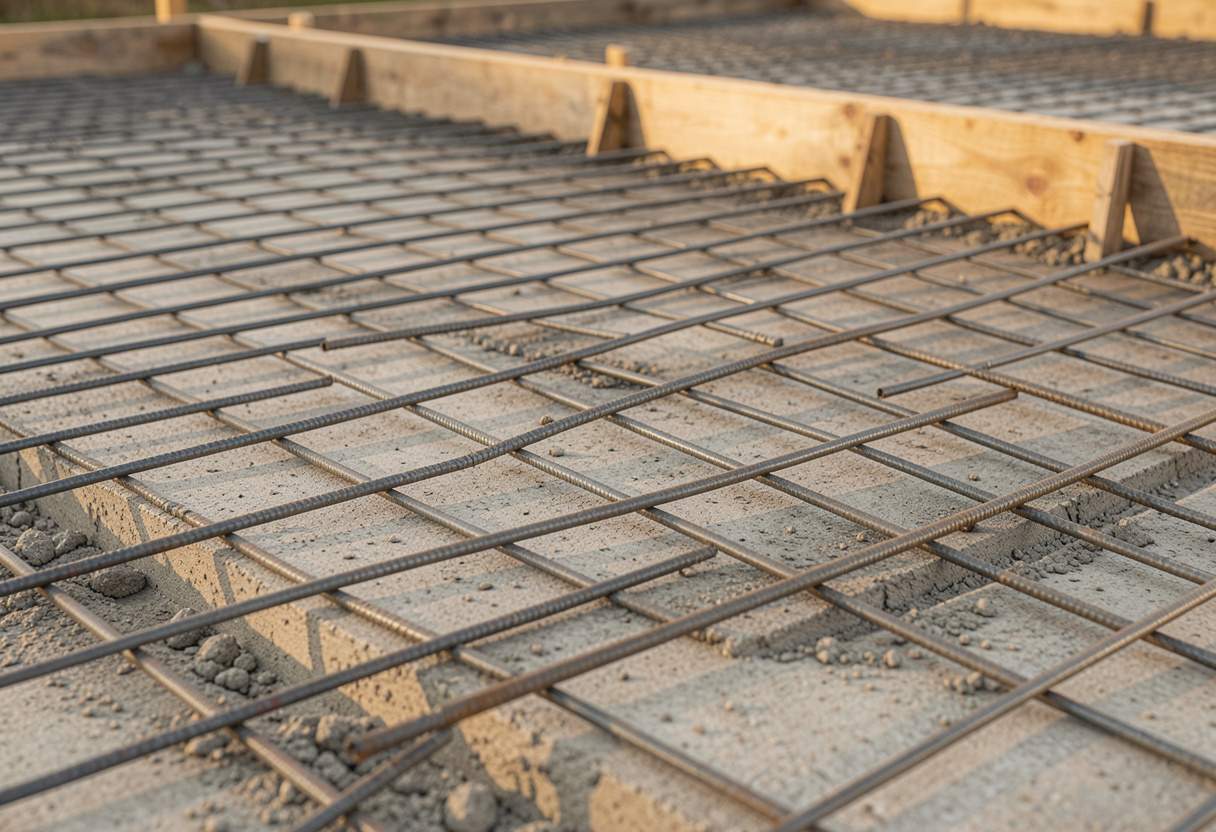

House Slab Types We Pour Across Coffs Harbour
The House Slab Construction Sequence


Working With Builders and Owner-Builders
Owner-builders benefit from working with a contractor who can read and interpret engineering drawings, coordinate directly with the building certifier, manage the hold point inspection process, and handle the slab scope without needing to be guided through each step.
We’ve worked with owner-builders who are managing their first new home build from the ground up, and we operate as a professional partner throughout the process — not a trade that needs supervising.
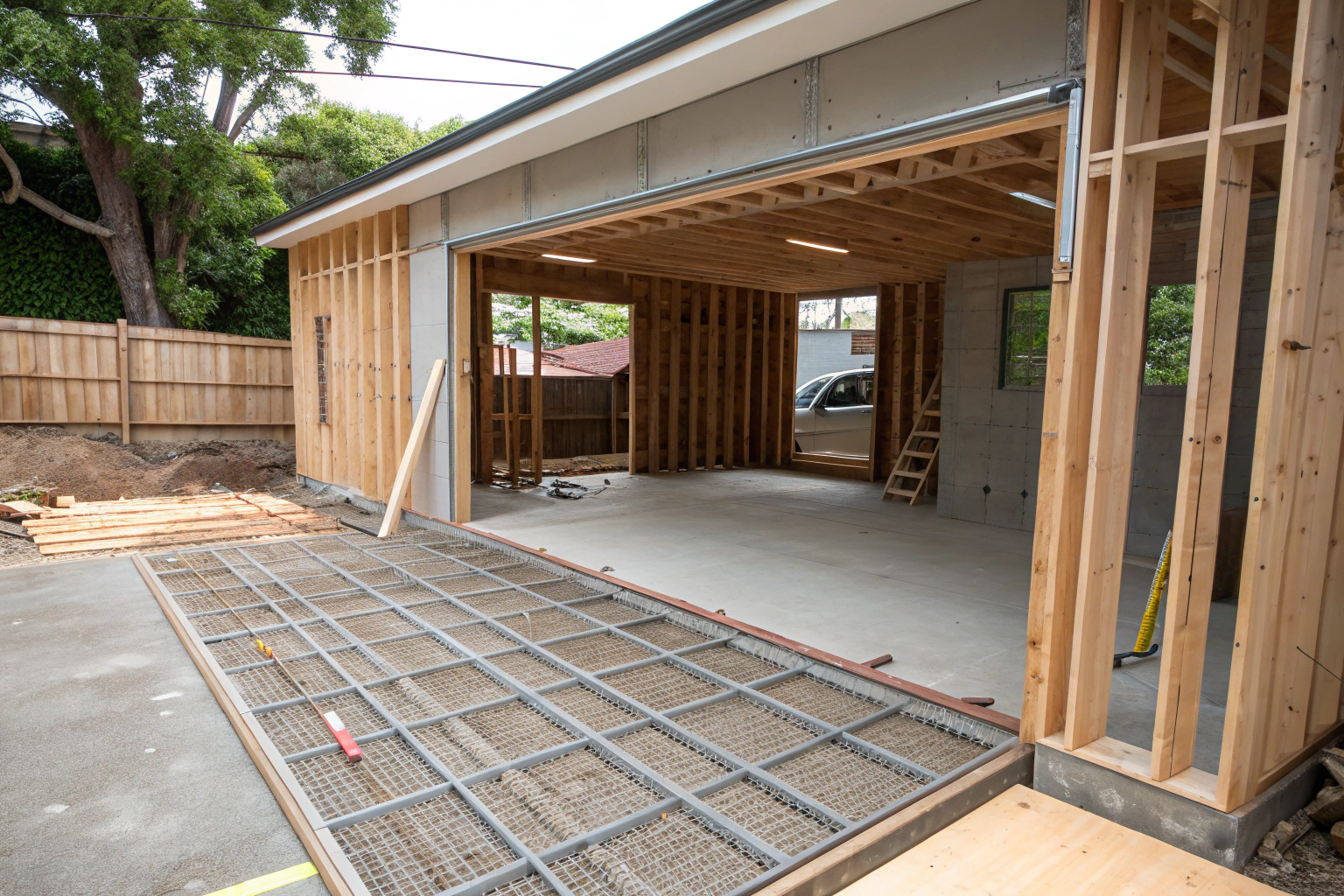
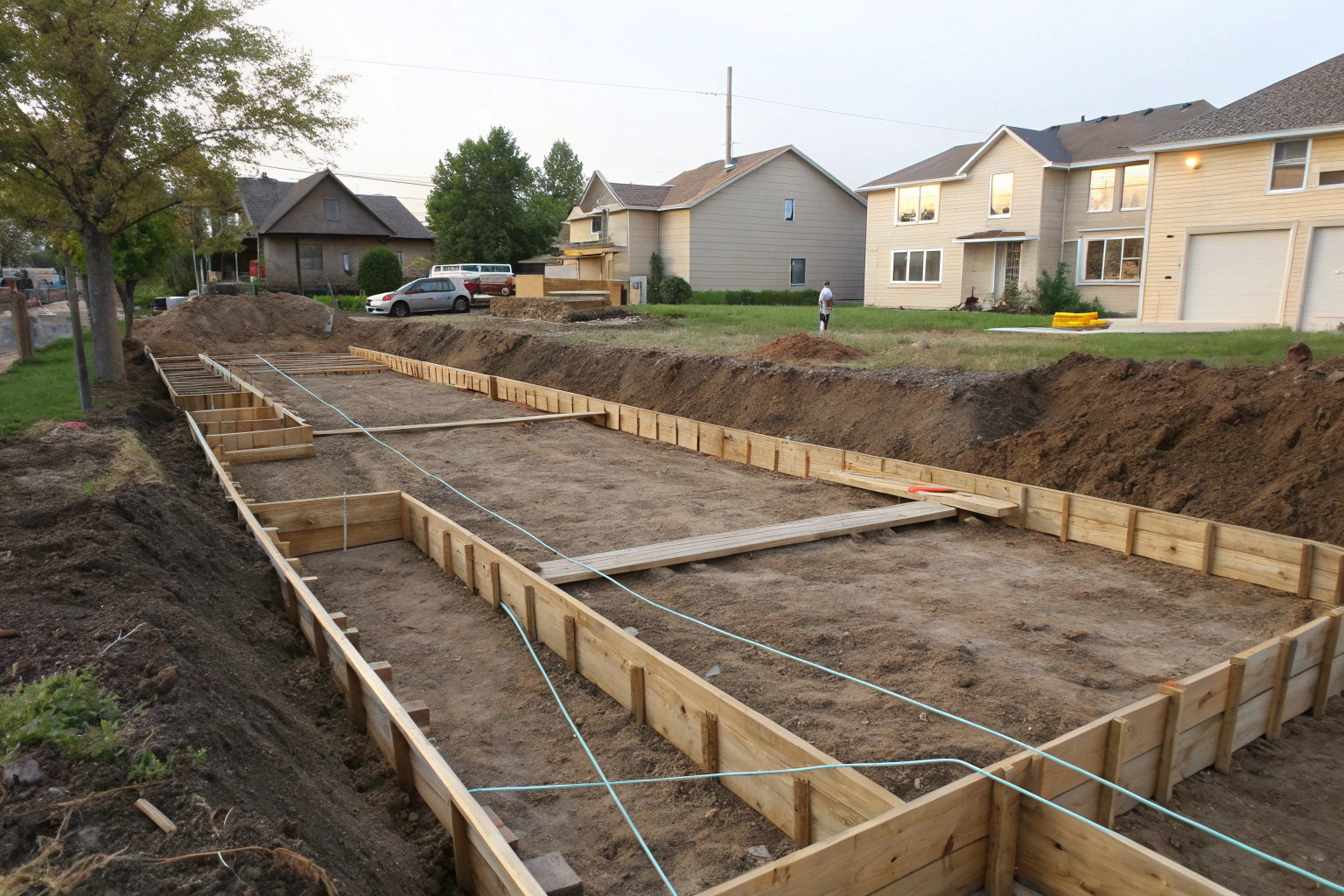
Building contractors need a subcontractor who shows up when they say they will, pours to specification the first time, and doesn’t create program delays through poor scheduling, inadequate crew, or equipment that isn’t up to the job.
A house slab that holds up the frame erection holds up the entire build — and the ripple effect on a construction program is significant. We work to the builder’s program, communicate proactively when site or weather conditions create scheduling considerations, and hand over a slab that the frame crew can move onto without issue.
Get Your House Slab Sorted Early
House slab availability is one of the most common constraints in a busy Coffs Harbour construction market. Owner-builders and builders who engage their concrete contractor early — ideally once engineering documentation is available and before site preparation begins — protect their building program from delays that are completely avoidable.
Early engagement means the slab scope can be properly reviewed against the engineering design, any site-specific challenges can be identified and planned for before they become problems, and the construction program can be locked in before the certifier’s inspection schedule and the broader build timeline are under pressure.
We deliver house slabs across Coffs Harbour and surrounding areas including Sawtell, Woolgoolga, Toormina, Bellingen, Grafton, and Nambucca Heads. If you’re in the planning or approval stage of a new home build, knockdown rebuild, or dual occupancy project, get in touch for a free on-site quote. Bring your engineering documentation if it’s available — we’ll review it, assess the site, and give you a clear picture of what the slab scope involves and what it’s going to take to get it done right.
FAQs About House Slabs in Coffs Harbour
How long does a house slab take to pour in Coffs Harbour?
Most residential house slabs in Coffs Harbour are poured in a single day, but the full construction sequence from set-out through to curing typically runs two to three weeks depending on slab size and site conditions. What adds time in this region is the weather — a heavy rainfall event during sub-base preparation or formwork can push the program out by several days if the formation gets waterlogged. I always build weather contingency into the program because Coffs Harbour’s subtropical climate doesn’t negotiate. Getting the sequencing right from the start is what keeps the overall timeline tight.
What site classification is my Coffs Harbour block likely to be?
Most residential blocks across suburbs like Toormina, Boambee East, and Sawtell come back as M, H1, or H2 class under AS2870 due to the reactive clay soils common throughout the area. That means the slab design your engineer specifies will include deeper edge beams and closer rib spacing than you’d see on a more stable site. I always work from the engineer’s design rather than making assumptions about site class — getting a geotechnical report done before design is money well spent. It determines the entire slab specification and directly affects your build cost.
Do I need a termite system installed before the slab is poured?
Yes — and in Coffs Harbour and the surrounding coastal hinterland, this isn’t something to treat lightly. Termite pressure across this region is genuinely significant, and the building approval conditions will specify the type of management system required before the slab can be poured. I coordinate the termite system installation as part of the slab construction sequence so it’s done correctly and in compliance with Australian Standards. Skipping or cutting corners on this step creates compliance issues and real long-term risk for the homeowner.
Can you pour a house slab on a sloping block in the Coffs Harbour hinterland?
Sloping blocks are completely normal across the hinterland and hillside suburbs around Coffs Harbour, and a good slab design handles the level changes across the footprint without drama. The engineering design will specify how those changes in floor level are accommodated — whether that’s a stepped slab, a split level pour, or a combination. I’ve poured plenty of slabs on challenging sloped sites across the region, so the set-out process and forming approach for those conditions is second nature. The key is working accurately from the plans so the levels are right before the concrete goes in.
What happens if it rains right after my slab is poured?
Light rain shortly after a pour actually isn’t the disaster most people think it is — in fact, moisture helps the curing process. The real concern is heavy downpours in the first few hours before the surface has set, which can wash out the finish and affect surface strength. In Coffs Harbour, where summer afternoon storms can roll in quickly, I monitor forecasts closely around pour scheduling and have protection measures ready to cover fresh concrete if needed. Curing is managed to Australian Standards throughout the protection period regardless of what the weather does.
How far in advance should I book a house slab contractor in Coffs Harbour?
In a busy construction market like Coffs Harbour, leaving it until your building approval lands in your inbox is leaving it too late. I’d recommend reaching out once your engineering documentation is being prepared — that gives us time to review the slab design, assess the site, and lock in a program slot before your build timeline is under pressure. House slab availability genuinely constrains builds in this region, particularly during peak periods when new home activity is strong across the Coffs Harbour LGA. Early contact protects your program and avoids the frustration of a frame crew ready to go with no slab to build on.
